First Meeting Planning Guide for Geylang Browsers | 初次见面规划指南
A bilingual guide to planning timing, transport, and communication so the first meeting stays simple and low friction.
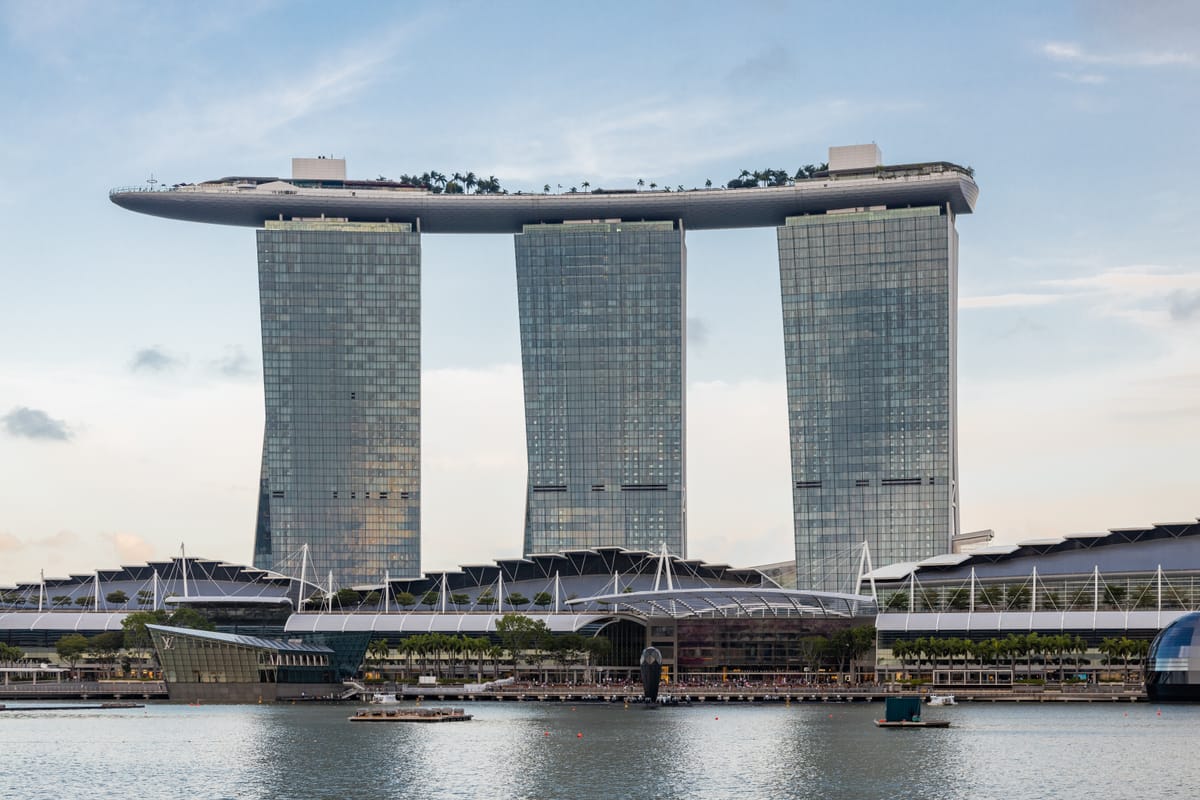
Local image saved from Wikimedia Commons.
The cleanest first meetings usually come from simple planning. You want the route, timing, and confirmation flow to be obvious before you leave.
Good planning reduces missed calls, repeated directions, and last-minute confusion. It also makes your first message easier to keep short and respectful.
中文说明
第一次安排见面时,最重要的不是把所有细节都谈得很长,而是先把时间、路线和确认顺序想清楚。只要这三件事稳定,后面的沟通通常就会更轻松。
很多临时混乱其实都来自前面准备不够明确,比如出发时间不确定、交通方式没想好,或者一开始就给了太多模糊时间段。先把基础规划好,比反复补充说明更有效。
- 先定区域,再定交通,再定到达时间。
- 给出一个主时间和一个备选时间就够了。
- 确认信息越简洁,后续越不容易出错。
English Notes
Choose a workable time window
Instead of asking for an open-ended slot, offer a clear time window that you can realistically keep. This makes responses easier and lowers the chance of rescheduling.
A workable time window also lets you account for traffic, train changes, and waiting time without turning the conversation into a long negotiation.
- Offer one preferred time and one backup time.
- Only message when you are able to travel if needed.
- Keep your schedule flexible enough to handle normal delays.
Lock down transport before contact
Transport planning should happen before you send the first message. If you already know your station, ride time, or pickup budget, you can communicate more confidently.
When transport is vague, everything else drifts. The result is usually repeated messages and weaker coordination.
- Check MRT or taxi timing before reaching out.
- Aim to arrive slightly early rather than exactly on time.
- Do not depend on live navigation only after the chat starts.

Second local image saved from Wikimedia Commons.
Use short confirmation messages
Short confirmation messages are easier to answer and easier to trust. Refer to the profile, state your intended time, and wait for a clear reply.
You do not need to repeat information that is already on the listing. Use the listing to keep the message lean.
- Confirm the profile name or listing detail you are referring to.
- State your estimated arrival time clearly.
- Do not send multiple follow-ups if the first message has not been answered yet.